
Understanding Weight's Impact on Your Lifestyle
Extra weight doesn't just affect your physical health—it transforms how you live, move, work, and connect with others. Discover the key lifestyle areas influenced by body weight and what research tells us.
Of adults report reduced physical activity levels due to weight concerns
Experience changes in sleep quality and rest patterns
Notice impact on daily energy levels and motivation
Report changes in social confidence and engagement
Six Areas Where Weight Impacts Daily Life
Understanding these connections helps explain why lifestyle changes matter for overall well-being and quality of life.
Physical Activity & Movement
Extra weight increases joint stress and can reduce stamina during everyday activities like climbing stairs, walking, or exercising. Many people find movement more challenging and tiring.
Sleep & Rest Patterns
Weight can influence breathing during sleep and overall sleep quality. Many experience disrupted rest cycles, which affects daytime energy, focus, and recovery from daily activities.
Energy & Motivation
Carrying extra weight can leave you feeling fatigued throughout the day. This affects motivation for work, hobbies, family activities, and pursuing personal goals.
Social Confidence & Connection
Many people adjust social activities due to comfort concerns. This can affect time spent with friends, participation in group events, and overall sense of belonging.
Work Performance & Productivity
Reduced energy and comfort levels can impact focus and productivity at work. Long sitting periods become uncomfortable, affecting concentration and work satisfaction.
Mental Health & Confidence
Weight concerns often lead to shifts in self-perception and confidence. This can influence mood, stress levels, and emotional well-being in everyday situations.
How Weight Connects to Daily Habits
Your body weight doesn't exist in isolation—it reflects and influences your daily routines, choices, and lifestyle patterns. Understanding these connections is key to recognizing why lifestyle adjustments matter.
Nutrition & Eating Patterns
What and how much you eat directly affects weight. Regular eating habits, portion sizes, and food choices accumulate over time.
Activity & Exercise Frequency
Physical activity levels influence energy expenditure. Sedentary lifestyles contribute to weight changes over months and years.
Sleep & Recovery Cycles
Rest quality impacts hormones that regulate hunger and energy balance. Poor sleep can create patterns that influence weight.
Stress & Emotional Patterns
Stress influences eating behavior and activity levels. Emotional eating and reduced motivation can create cycles that affect weight.
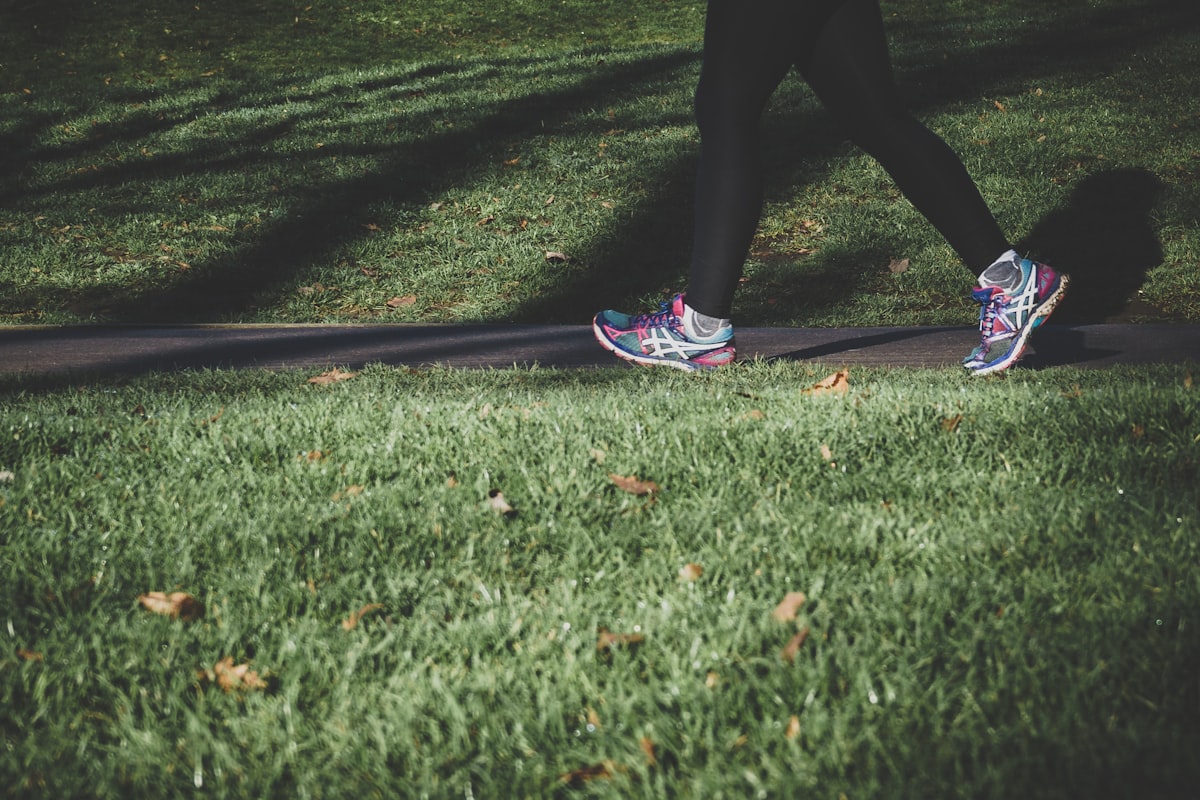
Steps Toward Positive Lifestyle Change
Making sustainable changes happens through intentional steps. Here's what the process typically looks like.
Awareness & Assessment
Understand your current habits, daily routines, and lifestyle patterns. Honest assessment of diet, activity, sleep, and stress helps identify where change can start.
Setting Realistic Goals
Define specific, achievable targets for changes in nutrition, activity, sleep, or other lifestyle areas. Small, incremental goals build momentum and confidence.
Building New Habits
Introduce changes gradually. Focus on one or two areas first—better nutrition, more movement, improved sleep—before expanding. Consistency matters more than perfection.
Tracking Progress & Adjusting
Monitor how changes affect your energy, sleep, and daily activities. Be flexible—adjust your approach based on what works for your lifestyle and preferences.
Sustaining Long-Term Changes
Focus on creating a lifestyle that feels sustainable, not temporary. When new habits feel natural and improvements in energy and confidence become apparent, you're building lasting change.
Real Stories of Lifestyle Transformation
See how others have experienced positive changes in their daily lives through lifestyle adjustments.
"When I started focusing on daily movement and better sleep, I noticed the biggest difference in my energy levels by week three. Not just physical energy—I felt more motivated at work, more confident meeting friends, and genuinely enjoying activities I'd stopped doing."
Sarah Mitchell — Manchester
"Making small changes to my eating habits felt manageable. After a few months, I could actually climb the stairs at work without feeling breathless. It's the little victories that keep you going."
David Chen — London
"The biggest surprise was how much my sleep improved once I started moving more regularly. Better rest meant better focus at work and I actually felt like myself again throughout the day."
Emma Thompson — Bristol
"I didn't expect stress management to affect my weight so much. Once I addressed my sleep schedule and added evening walks, everything shifted. Confidence came back naturally."
James Patel — Birmingham
Frequently Asked Questions
Get answers to common questions about weight, lifestyle, and making positive changes.
Research shows that carrying extra weight increases the effort required for daily activities, which can reduce available energy. Many people report noticeable improvements in stamina and daily energy within 2-4 weeks of becoming more active and improving sleep quality. The connection is both physical (your body working harder) and physiological (how well you sleep and manage stress).
Ready to Explore More?
Discover comprehensive guides, research-based information, and actionable strategies for understanding how lifestyle connects to weight and well-being.